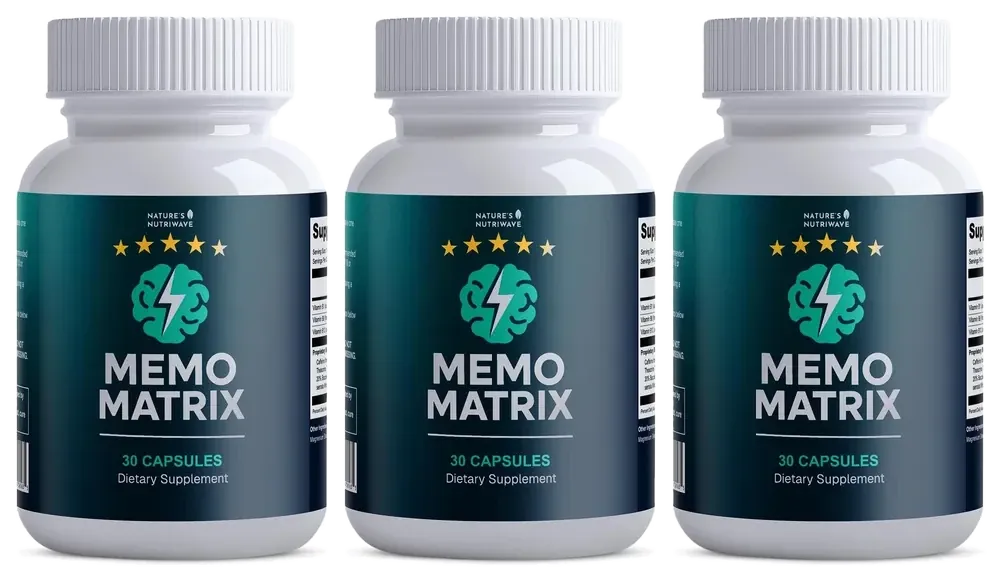
Ginkgo Biloba in MemoMatrix: Only on the Sales Page List
Quick answerGinkgo biloba is a leaf extract named only on the MemoMatrix sales page, with no amount. Neither Supplement Facts panel we have lists it. In the large GEM trial, ginkgo did not slow memory decline or lower dementia rates in older adults. It may also raise bleeding risk with blood thinners such as warfarin.
- 60-day satisfaction window
- Free US shipping on 3 and 6 bottles
Ginkgo biloba at a glance
| Fact | What we found |
|---|---|
| Where it appears | Sales page list only. Not on the full MemoMatrix label and not on the second panel. |
| Amount | Not printed anywhere we could find |
| What it is | An extract made from the leaves of the ginkgo tree |
| Studied for | Memory and dementia prevention; the large GEM trial found no benefit (Snitz et al., JAMA 2009) |
| Key caution | May raise bleeding risk with blood thinners such as warfarin (NCCIH, Ginkgo) |
Ginkgo is one of four ingredients that appear only on the sales page. The others are lion’s mane, phosphatidylserine and alpha-GPC. A name on a sales page is not the same as a line on a label. This page explains the difference and what ginkgo research shows.
What is ginkgo biloba?
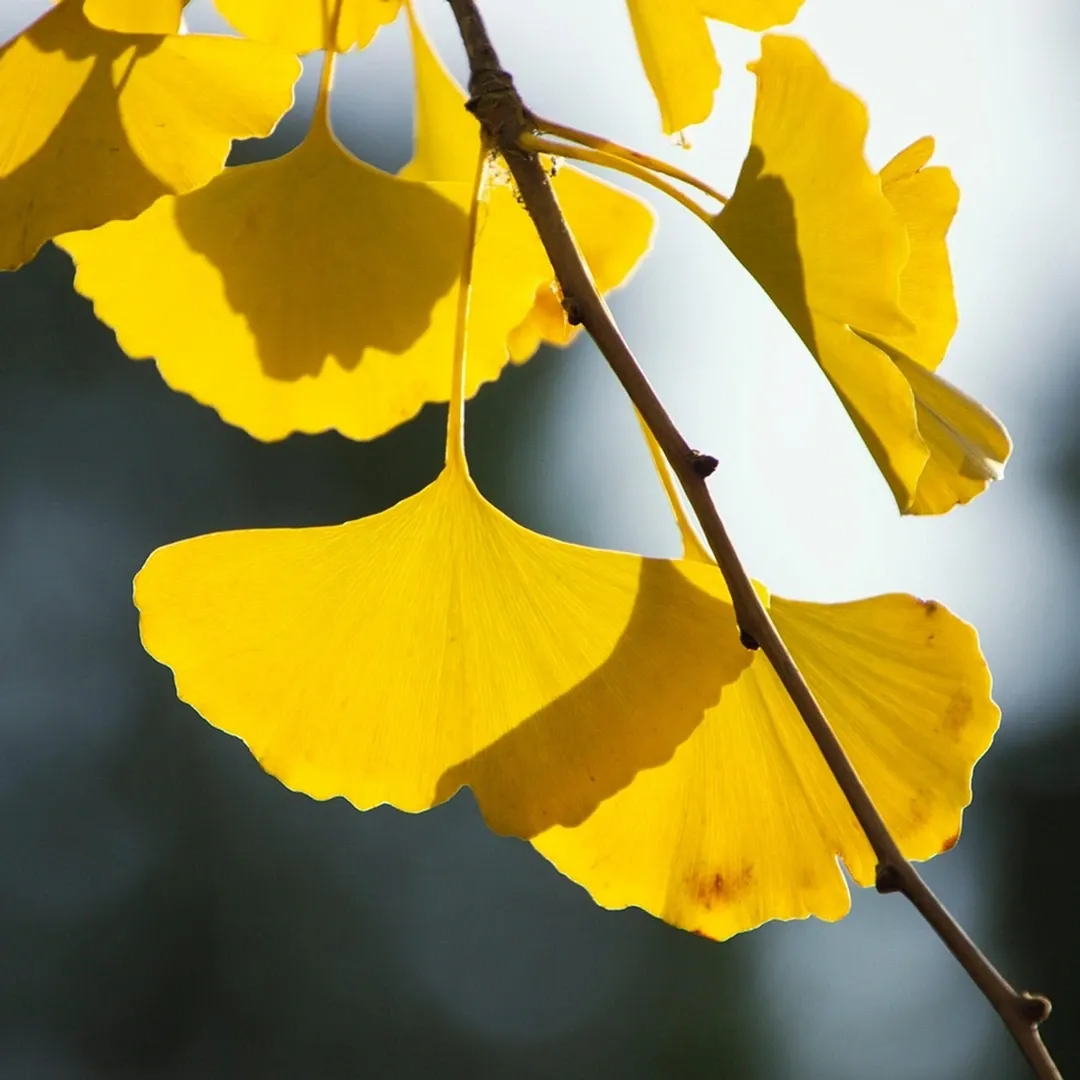
Ginkgo biloba is a tree with fan-shaped leaves that turn bright yellow in the fall. The supplement is made from an extract of those leaves.
Ginkgo has been sold for memory for decades, and it has been tested in large trials of older adults. That long record is useful, because it gives a clear answer to the main question people ask.
The photo shows ginkgo leaves on a branch. It illustrates the plant, not the contents of any capsule.
Is ginkgo in the MemoMatrix bottle you have?
Probably not, if your label matches either printed panel. Three ingredient lists circulate under the MemoMatrix name. Only the sales page names ginkgo, and it gives no amounts for anything.
| Ingredient list | Ginkgo biloba? | Amount |
|---|---|---|
| Full label (REV.11/25), 2 capsules | Not listed | None |
| Second panel image, 1 capsule | Not listed | None |
| Sales page list | Yes: “Ginkgo biloba extract” | Not given |
US rules say a Supplement Facts panel must list each ingredient with its amount, or inside a blend with a total weight (21 CFR 101.36). A sales page has no such rule for how it lists names. So the panel on the bottle is the list that counts. Compare all three on our which formula is it page.
What did the GEM trial find about ginkgo and memory?
It found no benefit. GEM, short for Ginkgo Evaluation of Memory, is the largest ginkgo trial we know of. It enrolled 3,069 adults aged 72 to 96 (Snitz et al., JAMA 2009).
Half took 120 mg of ginkgo extract twice a day. Half took a placebo. They were followed for a median of 6.1 years. At the end, thinking skills had declined at the same rate in both groups.
The NIH sums it up the same way: ginkgo did not lower dementia rates in the GEM study (NCCIH, Ginkgo).
- 3,069adults in the GEM trial
- 240 mgginkgo a day in the trial
- 6.1 yrsmedian time on the study
- Start
Adults aged 72 to 96 are split at random into ginkgo and placebo groups.
- Daily dose
One group takes 120 mg of ginkgo extract twice a day; the other takes a look-alike pill.
- Years of follow-up
Memory, language, attention and other skills are tested again and again.
- Result
Decline is the same in both groups. Ginkgo did not slow it.
Ginkgo and blood thinners: the main safety point
Bleeding risk
If you take warfarin or another blood thinner, ask your doctor before you take any product that lists ginkgo. The NIH says ginkgo may raise the risk of bleeding with these drugs.
This is the warning that matters most for ginkgo (NCCIH, Ginkgo). Many adults over 50 take a blood thinner for the heart or after a clot. Others take a daily aspirin. Adding ginkgo on top is a question for the doctor who manages those medicines.
If you have surgery or dental work planned, tell the care team about every supplement you take. Bring the bottle so they can read the panel, not just the brand name.
MemoMatrix lists also include rhodiola and Panax ginseng. Memorial Sloan Kettering flags rhodiola alongside anticoagulants (MSKCC, Rhodiola), and NCCIH notes that ginseng can change how blood clots (NCCIH, Asian Ginseng). Our side effects page covers each one.
Why does the sales page list ginkgo at all?
We cannot say for sure. The brand has not explained why its sales page and its printed panels differ. Ginkgo is a familiar name in memory products, and many sales pages include it.
Here is what we can say. The full label has a revision code, REV.11/25, which suggests labels change over time. A sales page may describe an older or newer formula, or a mix of claims. None of that changes what is in your capsules.
The sales page also lists huperzine A, which does show up on the second panel. Bacopa and rhodiola are on all three lists. Ginkgo is on just one.
What should you do if you want ginkgo?
A short plan for ginkgo
- Read the Supplement Facts on your bottle. If ginkgo is not printed there, assume it is not in the capsule.
- If ginkgo matters to you, choose a product that prints the ginkgo amount on its panel.
- Ask your doctor first if you take a blood thinner, aspirin or other medicine that affects clotting.
- Do not expect ginkgo to prevent dementia; the largest trial found it did not.
- See a doctor about memory loss that disrupts daily life. Some causes can be treated.
A name that slips away for a minute is an ordinary part of growing older. Forgetting that throws off daily routines is not, and a doctor should look into it (NIA, Memory problems and aging). The Alzheimer's Association lists early signs, such as trouble planning or confusion with time (Alzheimer's Association, 10 warning signs).
Honest note: no study has tested any version of the MemoMatrix capsule. For ginkgo the gap is even wider, since we do not know if the capsules contain any.
What to ask your pharmacist about ginkgo
A pharmacist can check a supplement against your full medicine list in a few minutes. You do not need an appointment to ask at the counter. These four questions make the talk quick and useful.
- 01
Does anything I take thin my blood?
Some heart, stroke and joint pain medicines affect clotting. The pharmacist can name the ones on your list.
- 02
Is ginkgo a problem with those medicines?
Ask this even if the dose is small or unknown. With no amount on the sales page, the safest answer starts with the medicines.
- 03
Does my bottle list ginkgo at all?
Hand over the bottle and point to the Supplement Facts box. If ginkgo is not printed there, say so.
- 04
Are there other lines on this panel I should worry about?
The second panel lists caffeine and huperzine A. The full label lists rhodiola and Panax ginseng. Each has its own cautions.
Write the answers down and keep them with the bottle. If a family member helps with medicines, share the notes with them too. Our caffeine section explains the stimulant lines on the second panel.
Ginkgo biloba: questions people search
Is there ginkgo biloba in MemoMatrix?
Only the sales page names it. The full label (REV.11/25) and the second Supplement Facts panel do not list ginkgo, so check the panel on your own bottle.
What dose of ginkgo would a MemoMatrix capsule hold?
No amount is published. The sales page lists ingredient names only, and neither printed panel includes ginkgo.
Can I take ginkgo biloba with blood thinners?
Ask your doctor first. The NIH says ginkgo may raise bleeding risk when taken with blood thinners such as warfarin.
Does ginkgo biloba improve memory in older adults?
The largest trial says no. In the GEM study, about 3,000 adults over 72 took ginkgo or a placebo for about six years, and memory decline was the same in both groups.
What was the GEM study on ginkgo?
GEM stands for Ginkgo Evaluation of Memory. It gave 120 mg of ginkgo twice a day or a placebo to adults aged 72 to 96 and followed them for a median of 6.1 years.
Does ginkgo prevent dementia?
No. Dementia rates in the GEM study were no different between ginkgo and placebo, and the NIH says no supplement has been shown to prevent dementia.
Can I take ginkgo with aspirin?
Ask your doctor or pharmacist before combining them. Ginkgo's bleeding warning covers drugs that thin the blood, and aspirin affects clotting too.
Why is ginkgo on the sales page but not the label?
We do not know. The sales page list matches neither printed panel, which is why the Supplement Facts on your bottle is the list to trust.
What part of the ginkgo tree is used in supplements?
Supplements use an extract of the leaves. The seeds are a different product and are not what memory pills contain.
Ginkgo is not on the full label: see the MemoMatrix packs
Two capsules a day by the full label, from $49 a bottle on 6 bottles, with a 60-day money-back guarantee on the sales page. Three ingredient lists circulate, so compare the panel on your bottle with this site before your first dose.