Is Memo Matrix a Nootropic? What the Word Means on a Supplement Label
Quick answerNootropic is a marketing word, and it does not appear on the Memo Matrix label, which says Dietary Supplement. The product sits in the memory and focus group: amino acids and herb extracts on the full label, plus stimulants on a second panel. The word hints at intent, not proof, and no study of the product exists.

What does nootropic mean, and does the label use it?
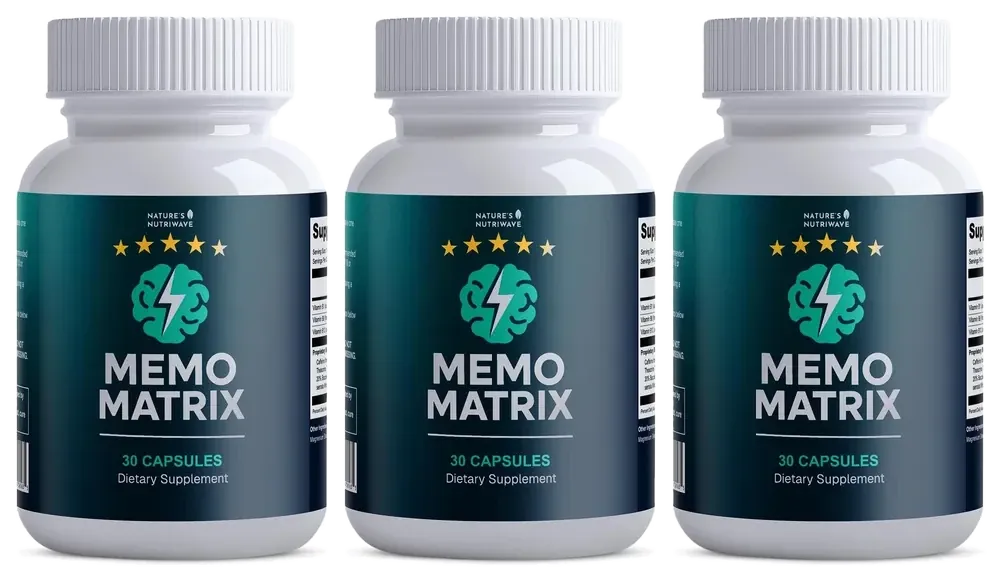
Nootropic is a popular word for anything sold to sharpen thinking, memory or focus. It is not a medical term, and it is not a label category. The Memo Matrix label never uses it. The front says Dietary Supplement, and that is the only category the label claims.
The sales page frames the product with softer words. It speaks of mental clarity, concentration and cognitive function. Those are the seller's aims. They are not findings from a study.
So when a search result calls Memo Matrix a nootropic, it is describing what the product is sold for. It is not describing something the maker has proved.
What kinds of ingredients are on the full label?
The full label lists five, each with its own amount. Two are amino acids, and three are plant extracts. Together they come to 1,030 mg per serving of 2 capsules.
| Ingredient | Type | Amount per serving | Where it comes from |
|---|---|---|---|
| Branched chain amino acids | Amino acids (leucine, isoleucine, valine, 2:1:1) | 540 mg | Best known from sports nutrition |
| Bacopa monnieri extract | Herb extract | 200 mg | A creeping herb also called water hyssop |
| Rhodiola rosea extract | Root extract, 3% salidroside | 100 mg | A root used for tiredness and stress |
| L-theanine | Amino acid | 100 mg | Found in tea |
| Panax ginseng extract | Root extract | 90 mg | Asian or Korean ginseng |
Notice what is missing. There is no stimulant on this list, no vitamin, and no blend that hides an amount.
How does the second panel change the picture?
It changes it a lot. The one-capsule panel lists vitamins B1, B6 and B12 with amounts, then a 151 mg proprietary blend of seven items. Caffeine, L-tyrosine, theacrine, theobromine, bacopa, rhodiola and a Huperzia serrata extract share that one number.
So the same name covers a plain herb-and-amino-acid capsule and a stimulant-and-vitamin capsule. Anyone who writes a review without naming the panel has told you very little.
Our which formula page sets the lists side by side.
What does the sales page list add?
The sales page names eight ingredients and gives no amount for any of them. Besides bacopa, rhodiola, L-theanine and huperzine A, it names ginkgo biloba, lion's mane, phosphatidylserine and alpha-GPC.
Ginkgo did not lower dementia rates in a trial of over 3,000 older adults (NCCIH, Ginkgo). A 41-person pilot trial of lion's mane found no recall benefit (Docherty et al., 2023). WebMD says alpha-GPC benefits in healthy adults are unclear (WebMD, Alpha-GPC). We found no source we could verify for phosphatidylserine.
An ingredient that is named but not measured cannot be compared with any study. That is why we give the printed panel more weight than the sales list.
How is a product like this regulated?
Less than most people think. The FDA does not approve dietary supplements before they are sold (FDA, Q&A on Dietary Supplements). The maker carries the duty for its own product's safety and labeling.
The label must follow the Supplement Facts rules. These ask for the amount per serving, and a blend may show only its total weight (21 CFR 101.36). That rule is why the second panel can print 151 mg for seven items.
Memo Matrix says it was made in an FDA registered facility. That line describes a building, not the capsules. It is not approval of the product.
How do you judge any nootropic claim?
Six checks that work on any memory or focus supplement
- Does the label give an amount for every ingredient, or only a blend total?
- Is that amount near the dose in the study the seller points to?
- Did the study test this product, or only one ingredient?
- Does the seller name itself and give working contact details?
- Are the refund terms written in one place, and do they agree?
- Does any ingredient clash with a medicine you take?
Memo Matrix scores mixed on these. The full label gives every amount, but the amounts sit below the study doses. The second panel hides amounts. No study covers the finished product. The sales page and the support page word the return terms differently.
What is the best nootropic for memory?
We will not name a winner, and we doubt anyone honestly can. No head-to-head study compares memory supplements, and the research we cite looks at single ingredients at set doses. Bacopa has the most human memory trials of the ingredients here, and even its gains were small and limited to certain tests (Pase et al., 2012).
The best first step is not a product at all. If memory lapses disrupt daily life, see a doctor, since causes such as low B12 or a medicine side effect can be treated (NIA, Memory problems and aging). Habits come next. A capsule, if you choose one, is a small add-on.
Who should avoid stacking this with other products?
Anyone who already takes stimulants should be careful with the second panel. Count your coffee, tea, energy drinks and any pills that contain caffeine, and take the capsule early in the day.
Anyone who takes donepezil or a similar memory medicine should not add huperzine A without the prescriber. Anyone on blood thinners should ask about ginkgo, rhodiola and ginseng.
Never stack two memory products without checking each label. Different brands can carry the same ingredient, and doses add up.
What are the key facts on Memo Matrix as a nootropic?
- The label uses the term Dietary Supplement, not nootropic.
- The full label lists five ingredients with amounts, adding up to 1,030 mg per 2 capsules.
- Caffeine and huperzine A sit inside the 151 mg blend on the second panel.
- The sales page names eight ingredients and prints no amount for any.
- The FDA does not approve dietary supplements, and no study of the finished product exists.
- Pack prices are $89 for 1 bottle, $177 for 3 and $294 for 6, with a 60-day guarantee.
Frequently asked questions
Is Memo Matrix a nootropic?
It is sold for memory and focus, but the label calls it a Dietary Supplement. Nootropic is a marketing word, not something the maker has proved.
What is Memo Matrix used for?
The sales page presents it for mental clarity and concentration. No study shows the product does that.
Is Memo Matrix a brain supplement?
It is a capsule supplement marketed for memory and focus. Three different ingredient lists circulate under the name, so check your panel.
What is the best nootropic for memory?
We cannot name one. Research looks at single ingredients, and no head-to-head studies compare products.
Does Memo Matrix contain stimulants?
The full label lists none. The second panel lists caffeine, theacrine and theobromine inside a 151 mg blend.
Is a nootropic safe to take with medicine?
Not always. Huperzine A can overlap with donepezil, and some herbs affect blood thinners, so ask your doctor or pharmacist first.
Our view
Call it a nootropic if you like, but know what is behind the word. For Memo Matrix it is a handful of amino acids and herb extracts at modest doses, or a stimulant blend with unprinted amounts, depending on the bottle.
We would judge the product on its label and its terms, not on the word. Read the amounts, match them to the studies, check your medicines and use the 60-day window to decide with your own notes.
Last updated . Medically reviewed by Dr. Collin Liu, MD, Physician.